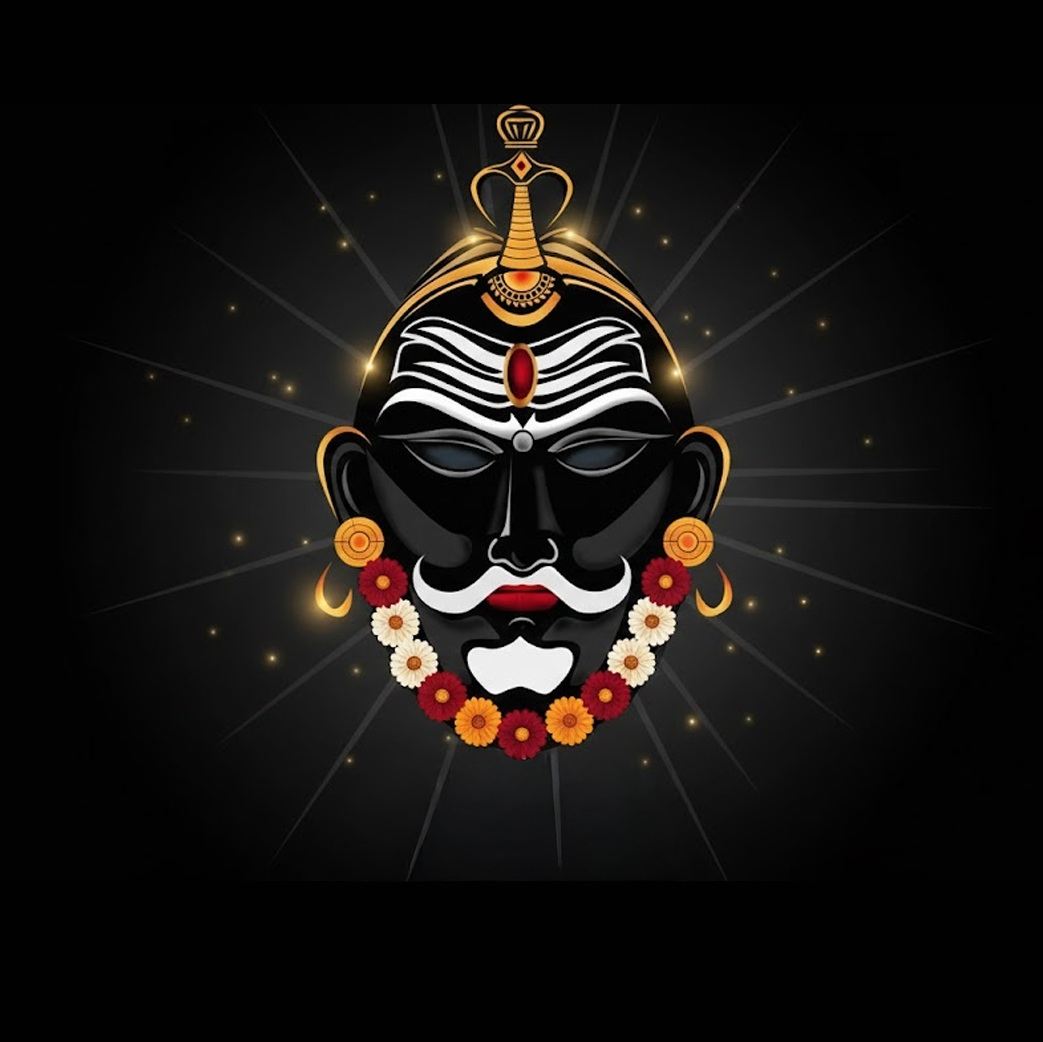
Voices of Koragajja
ಕೋರಗಜ್ಜ ದೈವದ ಬಗ್ಗೆ
ಕೋರಗಜ್ಜ ದೈವದ ಬಗ್ಗೆ
Koragajja is a revered daiva (deity) in the Bhootha Kola tradition of Tulu Nadu, the coastal region encompassing parts of Karnataka and Kerala. The name "Koragajja" combines "Kora" (fierce or warrior-like) and "Ajja" (grandfather or elder), reflecting both protective strength and respected wisdom.
In Tulu culture, Koragajja holds an important place as a guardian deity. Devotees approach Koragajja seeking protection, justice, and guidance in resolving personal and community matters. The deity is known for being approachable and responsive to the genuine prayers of devotees from all walks of life.
Bhootha Kola is a traditional ritual performance art form that serves multiple purposes in Tulu society:
During Bhootha Kola ceremonies, trained performers embody various daivas through elaborate costumes, music, and dance. When Koragajja is invoked, the performance reflects the deity's characteristics of strength, fairness, and accessibility to devotees.
Devotion to Koragajja is expressed through various means:
Different communities and regions in Tulu Nadu may have varying traditions and stories associated with Koragajja. These local variations reflect the rich diversity of Tulu culture while maintaining the core values of devotion and community.
Today, devotion to Koragajja continues to be an active part of life for many people in Tulu Nadu and among the Tulu diaspora worldwide. The tradition adapts to modern contexts while preserving its essential cultural and spiritual significance.
This platform honors these living traditions by providing a space for devotees to share their authentic experiences and maintain connections with their cultural heritage.
Note: The information presented here is based on cultural understanding and community traditions. Tulu culture is rich and diverse, with many local variations in practice and belief. This page serves as a general introduction and does not represent all perspectives or traditions.